Changing the Face of Medicine: Jennifer Giroux
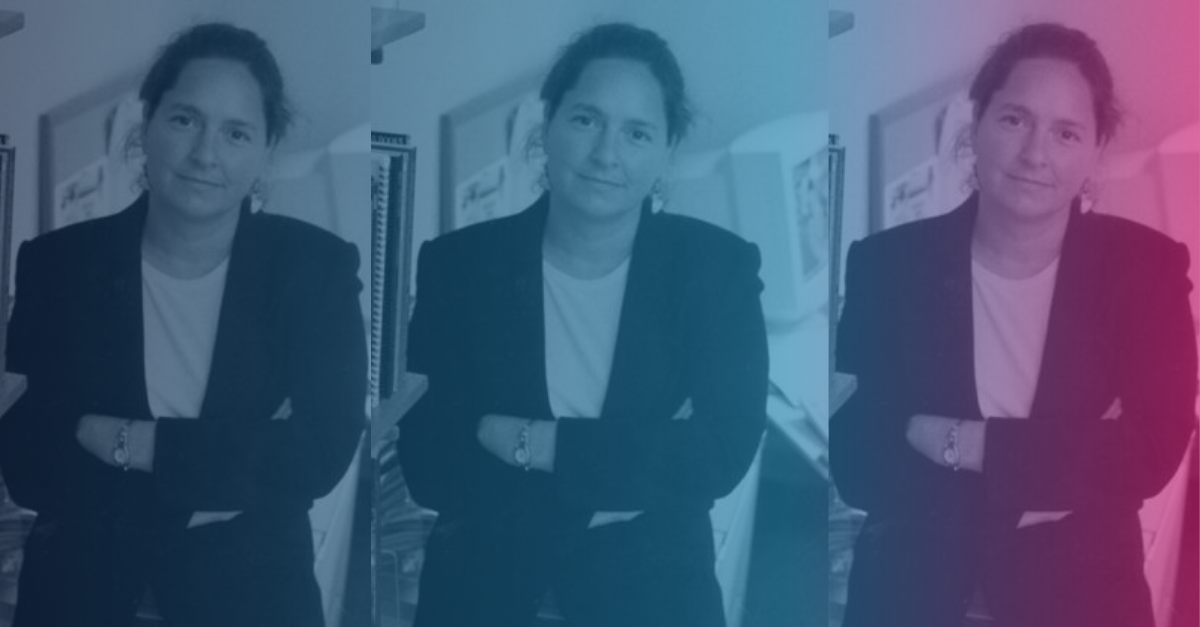
Over the last nine months, we have grown very accustomed to hearing from Dr. Anthony Fauci and other public health leaders who help us better understand COVID-19 and the threats it poses to our health and the health of our communities, nation, and the world. Many of these voices are those of epidemiologists, often referred to as Disease Detectives, who search for the cause of diseases, determine who is at risk, develop plans to stop or control the spread, and try to prevent it from happening in the future. 

Captain Jennifer Giroux, a member of the Rosebud Sioux tribe, is a medical epidemiologist who focuses on preventing disease outbreaks among Indigenous populations in the Great Plains Regional Office of Indian Health Services, a division of the US Department of Human and Health Services. These regional offices provide healthcare to all tribal nations and communities in designated states.

Giroux moved frequently while growing up in South Dakota and Montana and never imagined she would become a doctor. In a fantastic online exhibition “Changing the Face of Medicine,” created by the National Library of Medicine, we learn that her inspiration to become a doctor emerged from traveling in developing countries where she realized her privilege as an American when compared to many women around the world. She was determined to take advantage of her opportunities and then work in Indigenous American communities where resources and services are often lacking, especially in medicine and public health. 

Early in her career, Captain Giroux recognized the need for collaboration among medical and public health professionals around health crisis responses as well as the need for culturally-relevant communication and education for Indigenous communities.  In other words, when professionals want to provide information or medical support to tribes, it is important to integrate relevant cultural references to create trust and a sense of safety. This is a reason many Indigenous people, like Captain Giroux, put their education and training to work in tribal communities, to ensure people will not suffer because of misunderstandings or prejudices.

Her current work in the Great Plains is part of a larger network of Tribal Epidemiology Centers that work together to reduce public health disparities and improve the health of Indigenous Americans across the country. Captain Giroux and her Tribal Epidemiology Center colleagues around the country have been working tenaciously to ensure tribal communities receive the necessary education, surveillance, prevention supplies, and information to stay safe during the pandemic.
Cherokee Rocket Scientist: Mary Golda Ross

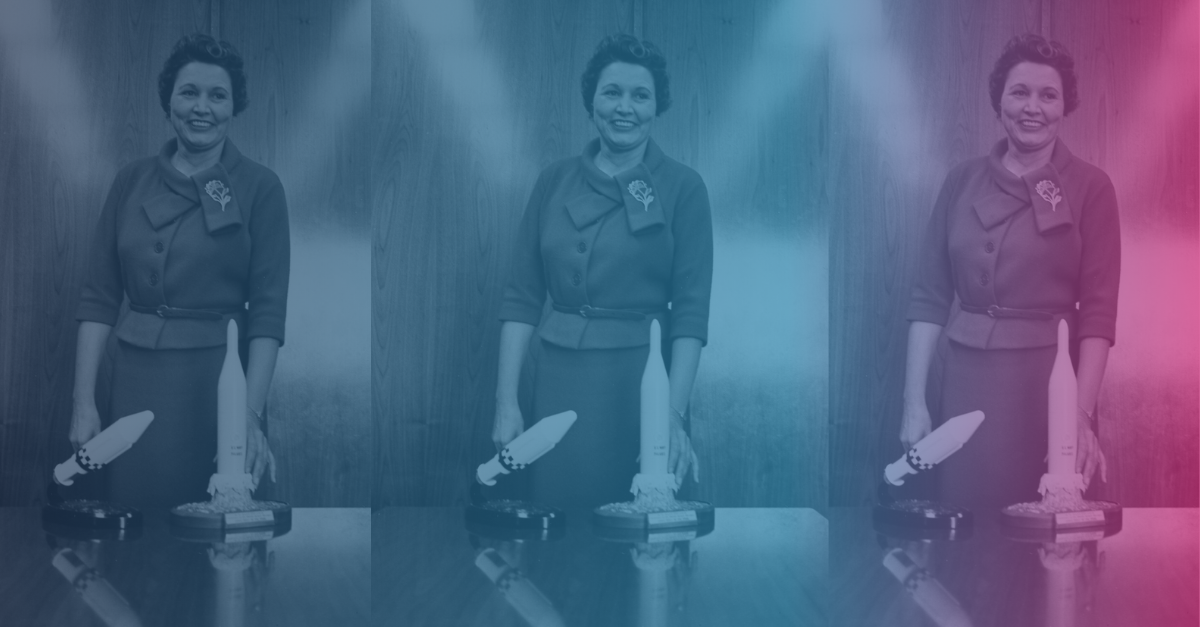
Collage of Mary Golda Ross with colorful overlay

Image source: Transportation History

Mary Golda Ross (1908-2008) was a celebrated pioneer and is still a figurehead in the Cherokee Nation. From a young age, she loved math and science, and many attribute her academic and professional successes to the rich heritage of the Cherokee tribe, especially a belief in gender equality around education. After completing high school at age 16 in Park Hill, Oklahoma where she was born, she earned a bachelor’s degree from Northeastern State Teacher’s College. At that moment in history, fewer than 2% of women were completing such degrees.

Before spending her long career at Lockheed Martin, she taught math in public schools, worked as a statistician for the Bureau of Indian Affairs, and an adviser to students at New Mexico boarding school. Though she eventually went to graduate school in mathematics, she famously spent her free time reading about and studying astronomy, growing a lifelong love of stars. 

When WWII broke out in 1942, she was hired by Lockheed Aircraft Corporation to work on their new fighter Plane, the P-38 Lightning. She was later selected as one of the founding 40 employees to work on the top-secret Skunk Works Team. Still in operation today, Skunk Works tackle the critical and evolving needs of the military to combat threats from the air. Though other women worked across Lockheed, she was one of only two women and the only Native American on the Skunk Works team. 

Shh…Top Secret

Her fascination with and study of stars bolstered her transition, during the Cold War, from aviation to space technology. She made many significant contributions to the US space program. She helped develop operational requirements for the Agena B, which sent a secret spy satellite into orbit. This is one of many aspects of Ross’s work that was or still is classified. 

Could she ever have imagined contributing to the secret missions of the United States military when she was growing up in Park Hill, Oklahoma?

After retiring from Lockheed in the late 1970s, Ross dedicated the next thirty years advocating to increase and strengthen opportunities for American Indians. As such, she was especially thrilled to attend the celebratory procession at the 2004 opening of the Smithsonian Museum of the American Indian. As part of the largest known gathering of Native American communities in history, Ross donned a green Cherokee dress made by her niece. 

In a press release written for that occasion, Chad Smith, Principal Chief of the Cherokee Nation, said  “The accomplishments of Mary Golda Ross epitomize the Cherokee spirit. This exceptional woman was and will continue to be a great example to each of us. Her ambition and successes exemplify the importance of education and are evidence of the doors that can be opened through higher learning.”

Hispanic Heritage Month: Pedro Sanchez

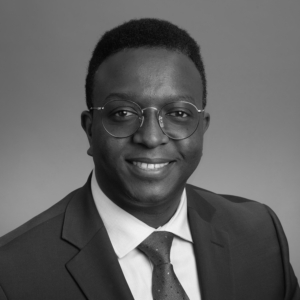
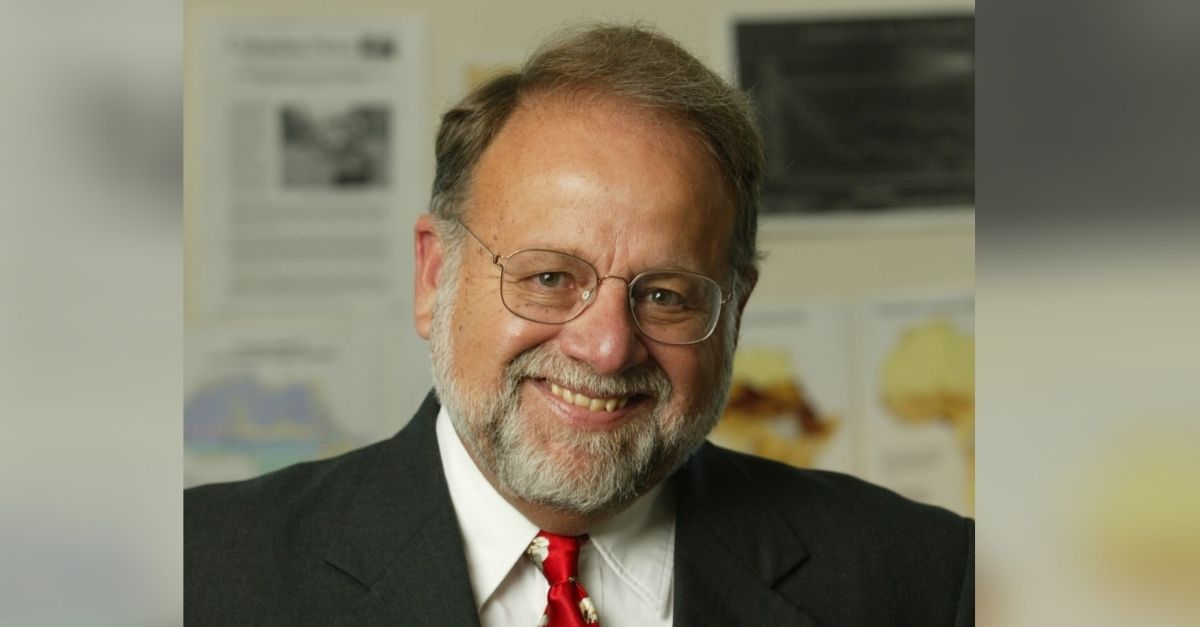
Headshot of Pedro Sanchez featuring a blurred background

Source: Earth Institute, Columbia University

National Hispanic Heritage Month is observed from Tuesday, September 15 – Thursday October 15. To celebrate the many diverse cultures and contributions, Science ATL is highlighting Hispanic/Latino accomplishments in STEM fields.

Meet Pedro Sanchez

Pedro Sanchez says his groundbreaking scientific career emerged from actually breaking ground – literally. His inspiration for his work in soil science started as a child with hours and hours playing with dirt itself. While growing up in Cuba, his family owned a fertilizer blending business. By seeing his family business in action, he learned about the importance of nutrients in the soil. His scientific career studying the components of soil has helped increase the fertility and productivity of tropical soils in order to solve problems of food insecurity and poverty in more than 25 countries around the world. His knowledge of soil science has made him a leader in international agroforestry – the integration of new trees and shrubs into existing farming systems in order to create environmental and economic benefits.

In addition to being a distinguished professor at several universities, Dr. Sanchez has been named a World Food Prize laureate and a MacArthur Fellow, and was elected to the American Academy of Arts and Sciences and the National Academy of Sciences. He also served as the co-chair of the United Nations Millennium Project Hunger Task Force, and is now the Director of the Agriculture and Food Security Center Columbia University’s Earth Institute where he continues to develop initiatives that not only support local farmers, but also the long-term food security and environmental health of the developing world. Read more about him in this 2018 interview.

Hispanic Heritage Month: Mario Molina

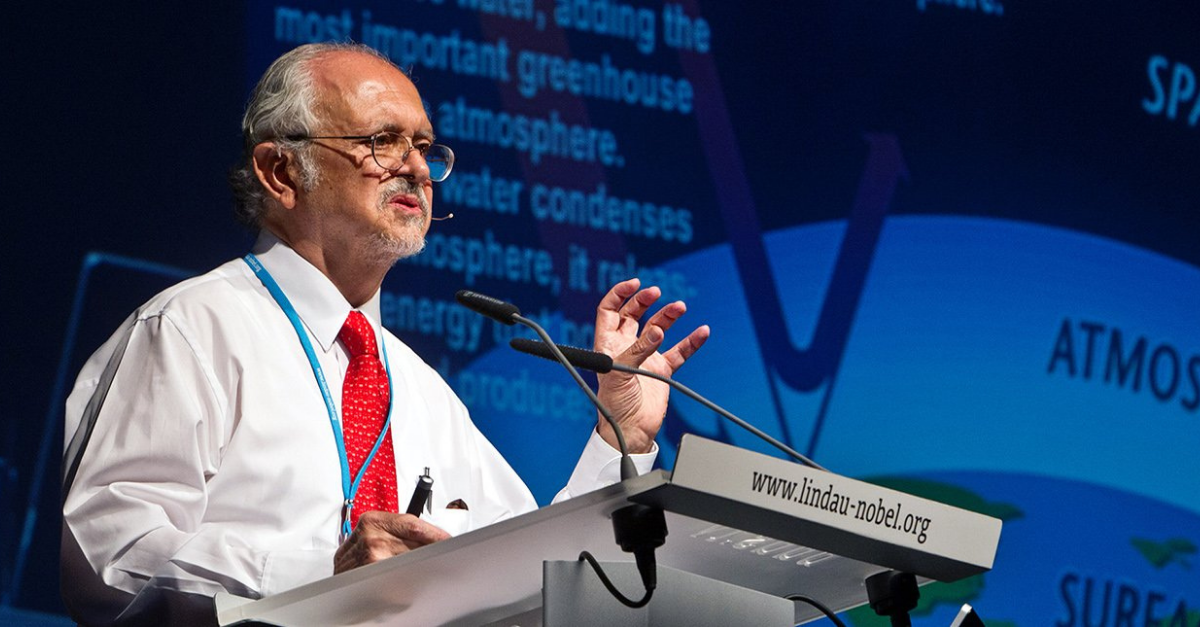
Mario Molina presenting his scientific findings on the ozone layer

Credit: Cultura Colectiva

National Hispanic Heritage Month is observed from Tuesday, September 15 – Thursday October 15. To celebrate the many diverse cultures and contributions, Science ATL is highlighting Hispanic/Latino accomplishments in STEM fields.

Meet Mario Molina

José Mario Molina-Pasquel y Henríquez, known as Mario Molina, was born in Mexico City in 1943 and always wanted to be a chemist. He grew up to be a scientist whose research helps protect the Earth. In 1974, Dr. Molina and his colleagues discovered the environmental danger of a type of human-made chemical found in spray cans, refrigerators, cars, and other products. When they are used, these chemicals, called chlorofluorocarbons (CFCs), float up into layers in the atmosphere. Over time, the CFCs created a hole in the ozone layer, which protects the earth from the harmful ultraviolet rays of the sun.

Dr. Molina and colleagues were the first to realize that CFCs were damaging the ozone layer, leaving people more in danger of sunburn and skin cancers and animals at risk of losing sources of food. Over the next few decades, Dr. Molina advocated for regulations on Freon, the most commonly used CFC. They were officially regulated worldwide in 1997 and banned by 2000. Dr. Molina and colleagues were awarded the Nobel Prize for Chemistry in 1995. Read more about Dr. Molina’s life and research.

Hispanic Heritage Month: Ellen Ochoa

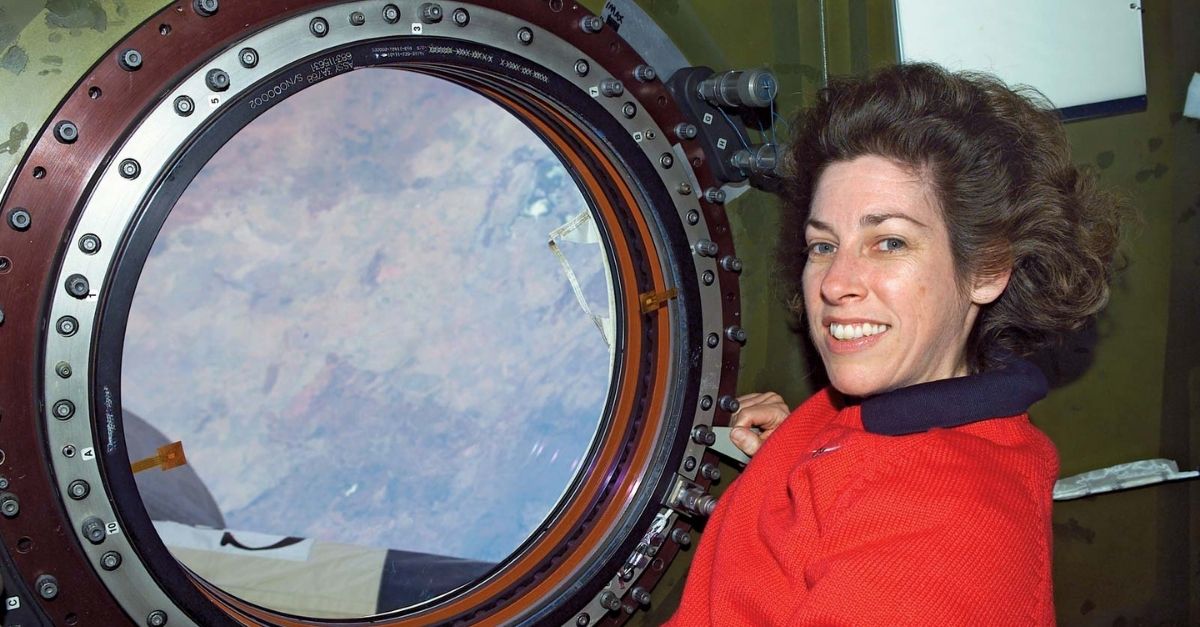
Ellen Ochoa at the International Space Station, 2002.

Source: Brittanica

National Hispanic Heritage Month is observed from Tuesday, September 15 – Thursday October 15. To celebrate the many diverse cultures and contributions, Science ATL is highlighting Hispanic/Latino accomplishments in STEM fields.

Meet Ellen Ochoa

Ellen Ochoa was the first Hispanic-American female astronaut. After studying electrical engineering at Stanford University, she took her robotics knowledge and skills to the NASA space program. She made her first trip to space in 1993 and over the next 11 years, Dr. Ochoa had three more space missions and spent more than 1,000 hours in space! She is also a classically trained flutist and the first to play while orbiting the earth at a low altitude.

Read more about Dr. Ochoa’s distinguished career.