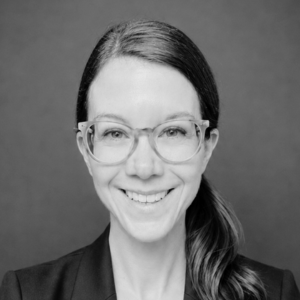
Dr. Niketta Womack: Disease Detective and Public Health Hero
Have you ever wondered who tracks down the cause of outbreaks or figures out how to stop diseases from spreading? That’s the job of an epidemiologist, and Dr. Niketta Womack sums up her career in one phrase: disease detective. As an epidemiologist she uses data to investigate how illnesses spread and finds ways to keep people healthy. From fighting drug-resistant germs to responding to health emergencies like COVID-19, her work helps protect public health.
What Does a Disease Detective Do?
Epidemiologists are called “disease detectives” because they investigate the causes of diseases and how they spread. Dr. Womack studies national data to find patterns and answers to questions like: Are people getting better with current treatments? Are certain groups getting sick more often?
Right now, she’s focused on stopping the spread of certain sexually transmitted infections (STIs), including a type of gonorrhea that’s resistant to medicine. By analyzing data, she helps create strategies to protect people’s health. For example, if young people are at higher risk, schools can provide more education. If people in certain areas lack access to medical care, health policies can be adjusted to help them get the treatment they need.
A Passion for Problem-Solving
Dr. Womack has always loved solving problems. As a child, she was fascinated by math and science. At first, she wanted to be a doctor, but she realized that she didn’t enjoy one-on-one patient care. Instead, she wanted to solve bigger problems and help more people at once.
During college, she interned at the Centers for Disease Control and Prevention (CDC) and learned about epidemiology. She was inspired by the 1995 movie Outbreak, where scientists investigate a deadly virus. “I wanted to solve mysteries and figure out where diseases started,” she says.
Overcoming Challenges
Dr. Womack faced many challenges on her journey to becoming an epidemiologist. While studying full-time in graduate school, she worked multiple jobs to cover her living expenses. As a Black woman in science, she also felt the pressure to work harder to prove herself. “I never wanted anyone to say no because I wasn’t educated or experienced enough,” she says.
Despite these challenges, she never gave up. She gained valuable experience by interning at health organizations, learning how to connect data with real-world health problems.
Inspiring the Next Generation
One of Dr. Womack’s proudest achievements was earning her doctorate during the COVID-19 pandemic while also helping with public health efforts. This opened doors to leadership roles where she can shape the future of public health.
Dr. Womack is passionate about inspiring young people, especially those from underrepresented groups, to pursue careers in science and public health. “Growing up, I never saw epidemiologists that looked like me,” she says. Now, she hopes to show kids that they can be scientists too, no matter where they come from.
Dr. Niketta Womack’s journey shows that with curiosity, hard work, and a love for solving mysteries, anyone can make a difference. She proves that science isn’t just about finding answers—it’s about helping people and making the world a healthier place.